

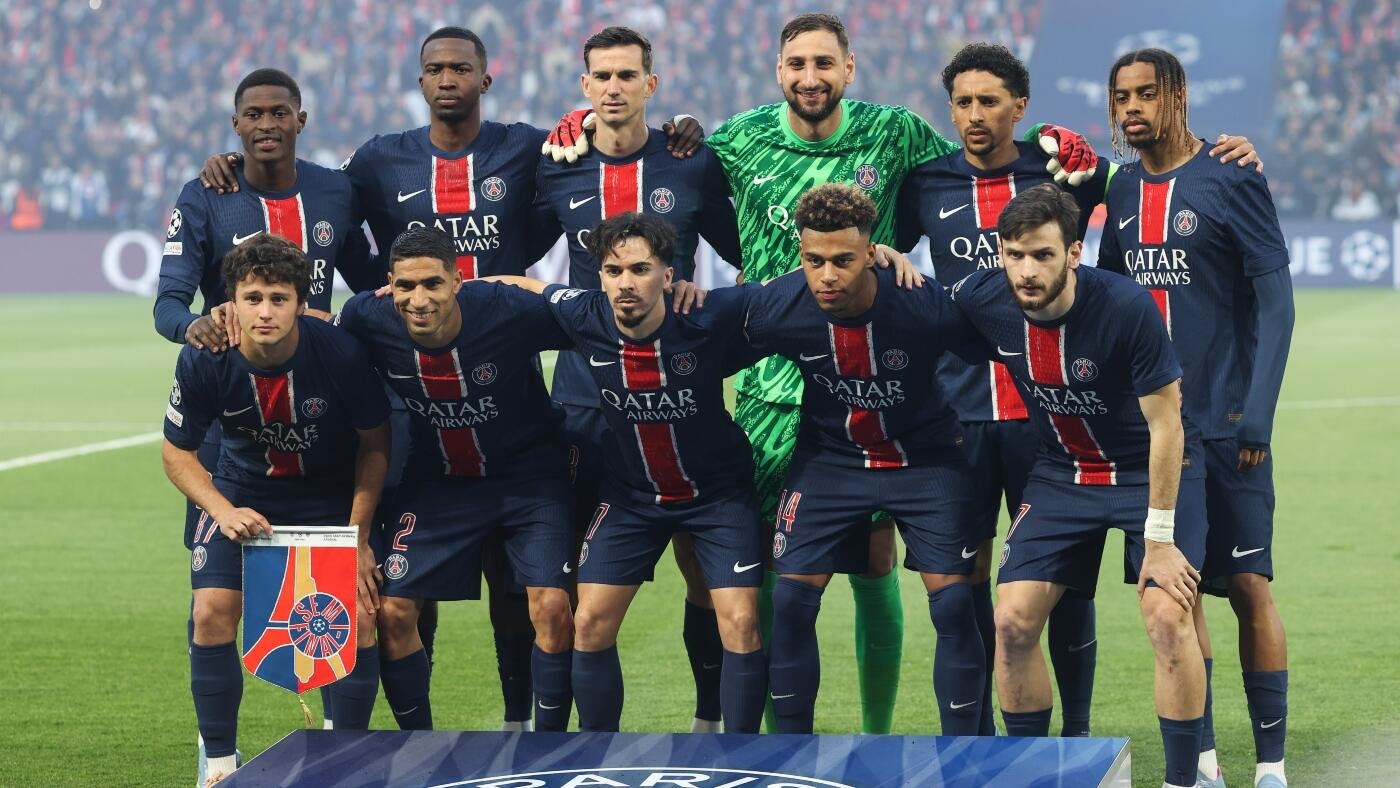
The UEFA Super Cup has long ceased to be just a glamorous exhibition ahead of the European football season. It is a full-blown battle for an official trophy played under highly specific conditions: teams enter the pitch off the back of rigorous pre-season conditioning, and players have not yet reached their peak match fitness.
Next week, the winners of the Champions League and Europa League will clash for the first European silverware of the campaign. In a high-stakes fixture like this, victory won’t simply belong to the side boasting the most glittering starting eleven in the opening thirty minutes. Instead, it will come down to which manager possesses a bench fully equipped to withstand extreme physical demands.
Summer Unfitness and the 70th-Minute Factor
In mid-August, even world-class footballers rarely sustain 90 minutes of relentless high tempo and aggressive pressing. Physiology inevitably catches up with players:
- Muscle Lactic Acid Build-Up: A erratic match rhythm and intense pressing quickly drain energy in central areas by the middle of the second half.
- Lapses in Concentration: As physical fatigue sets in, defenders begin to make positional errors that would have been unthinkable at kickoff.
- Risk of Minor Injuries: Without full match sharpness, muscle strains become far more likely, forcing coaching staff into unexpected adjustments.
Consequently, the decisive moments of the match will unfold near the 70th-minute mark—when initial game plans run out of steam and managers must rely on tactical adjustments from the bench.
Maintaining Tactical Structure During Rotation
The primary vulnerability for most clubs early in the season is a steep drop-off in quality between starting key players and the immediate bench. Europe’s elite sides stand out not because they field two identical starting lineups, but because they can rotate personnel without compromising their overarching tactical model.
1. Defensive Flanks: Bringing on a substitute full-back must not transform that wing into an open highway for the opponent’s fresh wingers.
2. The Holding Midfield: Replacing the primary ball-winner should not destroy team compactness between the defensive line and midfield.
3. The Attacking Line: Introducing a new forward must revitalize high pressing in the opposition half, rather than simply adding a static target man into the penalty area.
If a substitute fails to fit the team’s blueprint, the entire setup fractures, allowing opponents to exploit newly opened space instantly.
Midfield Intensity as the Primary Indicator
The engine room is the heart of any tactical system. In the UEFA Super Cup, central midfielders bear an enormous physical load. They are simultaneously required to block passing lanes, cover overlapping full-backs, win second balls, and drive play forward.
Sustaining that work rate throughout the entire match without a drop in quality is nearly impossible. A manager who has two or three versatile midfielders on the bench—one providing aggressive tackles, another dictating tempo with composure—gains a decisive tactical advantage in the closing stages.
| Match Analytics and Odds Insights Sports analysts and oddsmakers place significant weight on current match fitness and squad depth when formulating betting lines for this clash. Given early-season conditioning levels and the frequent flurry of late goals in opening fixtures, experts anticipate high activity in the second half. Punters are advised to keep an eye on markets covering goals scored after the 60th minute, card totals driven by fatigue fouls, and substitute goalscorers. For comprehensive match stats, deep markets, long-term picks, and live odds, check out Melbet |
Game-Changers Decide the Final
The history of the Super Cup is filled with instances where a single targeted substitution changed the outcome of the title match:
- Explosive Wingers: An energetic wide player introduced for the final 20 minutes against an exhausted full-back.
- Set-Piece Targets: A powerful aerial threat brought on to capitalize on late set-piece opportunities.
- Penalty Specialists: Cool-headed takers introduced specifically in anticipation of a potential penalty shootout.
A deep bench rarely captures headlines prior to kickoff. Yet, it proves its ultimate worth when the match reaches a deadlock and requires one decisive tactical spark. The trophy will ultimately belong to the team whose manager possesses the richer palette of tactical solutions.



