

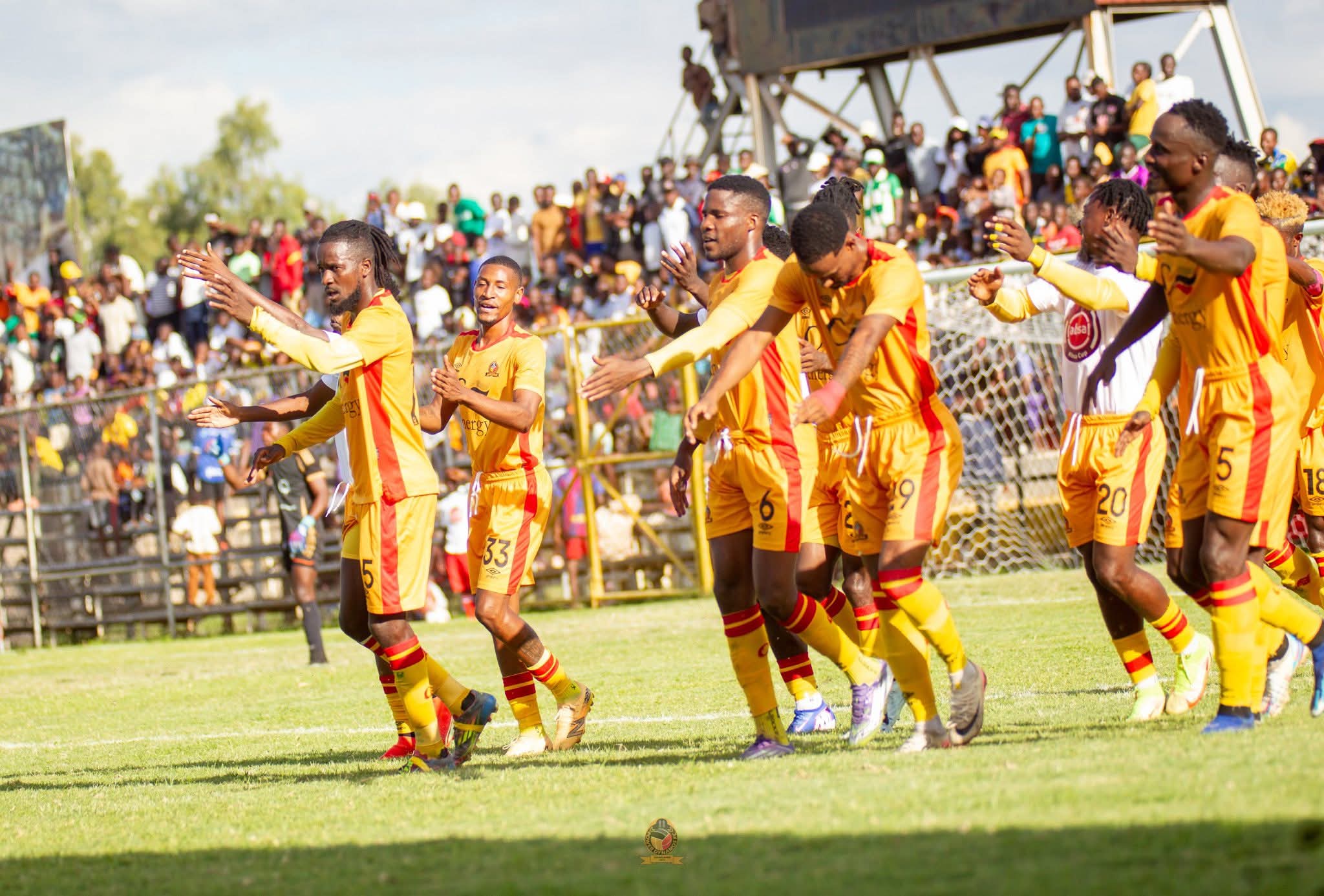
A title race in the MTN Super League rarely follows a clean path. A club can look comfortable in August, then suddenly find itself stretched in November because two defenders are carrying knocks, a midfielder is suspended and the main striker has gone quiet.
That is usually the point where the table begins to tell a different story.
The next campaign will not be decided only by the best starting eleven. Power Dynamos, Red Arrows, ZESCO United, Kabwe Warriors and every other side with serious plans near the top will need more than a strong first team. They will need players who can come in during difficult weeks and keep the team looking steady.
That sounds simple, but in the Zambian league it is often what separates a proper title push from a good run of form.
The season always finds weak spots
Every coach starts with a plan. There is a preferred goalkeeper, a trusted back line, a midfield combination that feels balanced and a forward who is expected to carry the scoring load.
Then the season begins to interfere.
There are away trips that drain the legs, cup matches that break the rhythm, suspensions that arrive at the wrong time and injuries that force changes nobody wanted to make. A team can survive one or two of those problems. It becomes harder when they come together.
That is why depth has to be judged during the uncomfortable parts of the season, not only when everyone is fit and confident. A squad may look strong on paper, but the real test comes when the coach has to leave out three regular starters and still get a result.
Rotation should not change the team completely
The strongest clubs are not the ones that simply have many players. They are the ones that can rotate without losing their habits.
If a full back comes in, the team should still have width. If a holding midfielder misses a match, the defence should not be left open every time possession is lost. If a striker is rested, the attack should still have movement and pressure.
That is where Power Dynamos have given a useful example in recent seasons. Their strength has not only been about big moments or individual quality. It has also been about having enough dependable options to handle different types of matches.
Red Arrows have built a lot of their recent success on discipline and structure. For that kind of team, depth is especially important because one weak link can disturb the whole shape. Supporters who follow team news, form swings and match rhythm through the 1xBet app will often notice that busy periods expose thin squads very quickly.
A good bench does not always win praise before kickoff. It usually proves its value when a match is stuck and the coach needs one change to alter the mood.

Midfield legs can decide tight matches
In Zambia, many league matches are not won by long spells of beautiful football. They are won by control, second balls, quick reactions and the ability to keep shape when the game becomes physical.
That puts a heavy load on midfielders.
A central midfielder has to press, recover, cover passing lanes, help the defence and still move the ball forward. Doing that every week is not easy, especially when the season reaches the stage where pitches are heavier, tackles are sharper and every point matters more.
This is where clubs with proper midfield depth can gain ground. One player may bring aggression. Another may calm the game with passing. Another may carry the ball through pressure. A coach with those choices can adapt without tearing up the whole plan.
ZESCO United, Kabwe Warriors and Red Arrows will all understand that a title race can turn in this area. It is not always the most glamorous part of the pitch, but it is often where fatigue shows first.
When tired midfielders stop tracking runners, clean sheets become harder to protect.
The goals cannot come from one place
Every title contender wants a striker who can score regularly. That is natural. The problem begins when the entire attack depends on him.
A long season needs goals from different areas. Wingers must produce. Midfielders must arrive late in the box. Centre backs must attack set pieces with purpose. Players coming from the bench must be ready to change games when the starting attack has run out of ideas.
One late goal from a substitute can change the direction of a month. It can rescue a poor performance, keep confidence alive and put pressure back on rivals.
This is why attacking depth should not be treated as a luxury. A coach needs different types of forwards. One may run behind defenders, another may protect the ball, another may be useful when the game turns into crosses and second balls.
If every attacking option offers the same thing, the bench becomes predictable.

Young players may have a bigger say
Every season, a few young players force their way into the conversation. At first, they may only get minutes because of injuries or rotation. Then one strong performance changes how people look at them.
That could happen again in the next title race.
Young players can bring energy at exactly the time when senior players are beginning to look tired. They run at defenders, chase lost balls and sometimes play without the fear that comes with experience. Used properly, that freshness can be valuable.
The key is timing. A young player thrown into a high pressure fixture too early can struggle. A young player given minutes gradually may be ready when the important matches arrive.
For clubs chasing the title, youth development is not only something for the future. It can help solve problems in the present.
Recruitment will be judged late
Transfers are usually discussed when they happen, but the real judgement comes months later.
A signing may look exciting in the announcement photo. That does not mean he fits the team. A defender has to suit the way the side holds its line. A midfielder has to play at the tempo the coach demands. A forward has to offer something that was missing before.
Good recruitment gives a coach answers. Poor recruitment only gives him numbers.
This matters most when injuries arrive. A strong squad can lose a regular starter and still look organised. A weaker squad may have to change too many things at once, and that is when confidence begins to drop.

For adult fans who keep an eye on fixtures and squad updates after 1xBet registration, the second half of the season often makes the difference clear. Some teams were built with a plan. Others only looked deep because the squad list was long.
The dressing room has to accept competition
Depth can create problems if the mood in the dressing room is wrong.
Players want to start. Senior players do not enjoy sitting on the bench. Young players want chances. New signings expect minutes. A coach has to manage all of that without allowing frustration to grow.
That is why mentality is part of squad depth. A strong group understands that rotation is not an insult. It is part of surviving a long campaign.
The best teams keep players ready even when they are not starting. Standards in training stay high. Substitutes remain involved. Senior players help younger ones instead of treating them as threats.
That kind of environment can be worth points in the final weeks of a season.
The title may go to the team that copes best
The next MTN Super League title race will probably have its share of big wins and headline performances. Still, the quieter details may matter more.
A second choice defender handling a difficult away match. A midfielder returning after weeks on the bench and controlling the tempo. A young winger changing a game with twenty minutes left. A reserve goalkeeper stepping in without panic.
Those moments do not always dominate the news cycle, but they help build a title campaign.
Power Dynamos, Red Arrows, ZESCO United, Kabwe Warriors and the other challengers will all have weeks when the best eleven is not available. The question is how much quality they lose when that happens.
A strong lineup can win important matches. A complete squad can stay in the race when the season becomes uncomfortable.
That may be the difference when the next champion is decided.



