

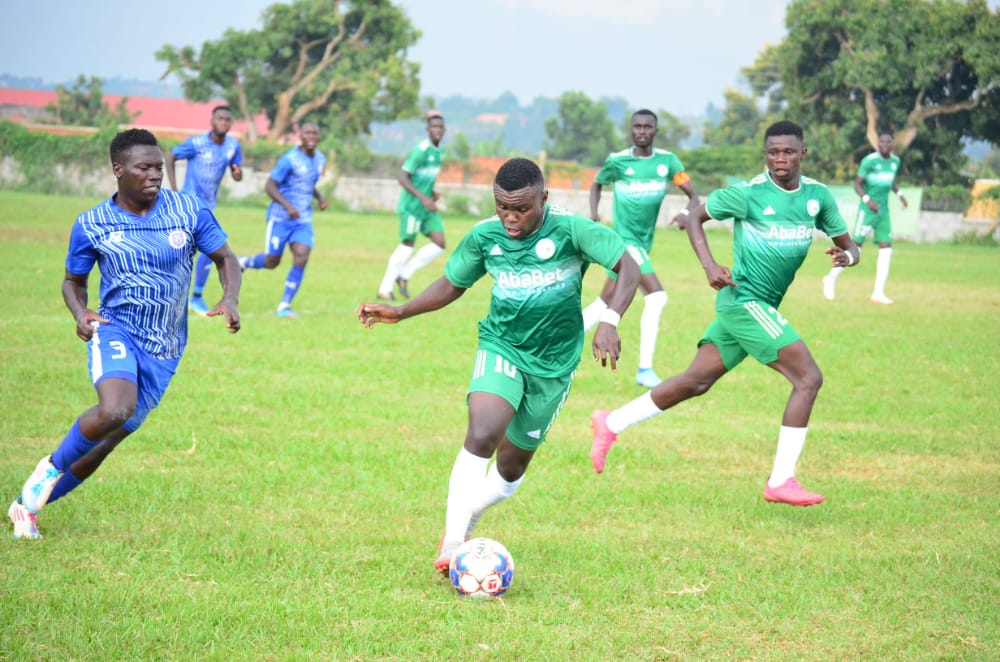
In recent years, football academies in Zambia have become not only sports centers but also a pillar of support for youth and the entire community. Canadian youth football programs play a similar role, where joint initiatives by schools, municipalities, and private partners strengthen the connection between sports and upbringing.
Why does football today occupy a key place in the upbringing of young citizens, and what changes can occur thanks to partnership projects and tournaments? These questions concern coaches and players as well as residents of regions where football becomes an integral part of life.
Football traditions and a new perspective on development
In Zambia, football has deep roots and remains one of the country’s main cultural values. It unites people of different ages and social backgrounds, becoming for many children the first step in teamwork and discipline. From an early age, young Zambians take to the field, where they learn not only to score goals but also to build relationships, listen to mentors, and achieve goals.
A similar approach is being developed in Canada, where local football academies and school programs also focus on discipline, team skills, and early involvement of children in sports. In several provinces, youth leagues are supported by municipalities and private partners, which fosters a lasting interest in football and helps expand sporting and social opportunities for children.
Modern football development programs pursue several objectives:
- to create a solid foundation for identifying and supporting talented athletes;
- to strengthen social ties among youth;
- to offer an alternative to street life and idleness, opening the way to self-development.
Academic initiatives and business join forces
Private academies and business partners play an important role in the development of this direction. A landmark example was the cooperation between Sentinel Football Academy and the industrial company FQM Trident Limited. Both participants in the initiative aim not only to prepare future athletes but also to make a contribution to the sustainable development of the region.
Interest in local football initiatives is gradually increasing from the betting sector as well. Companies monitoring the development of regional tournaments analyze the demand for sporting events and the activity of fans.
According to resources that aggregate offers from online bookmakers and online casinos, it is local football competitions that often become an indicator of the growing interest of the audience in sports betting.
Having found popular gambling sites in this region, we learned that during local football tournaments their traffic steadily grows—on average by 15-20%. And when we visit twinspinca.com, which collects offers for online casino gaming, we saw that interest in sports sections is also increasing. Users are more likely to search for match reviews and offers specifically related to football.
This trend attracts additional attention to academies and increases the value of partnerships between business and sports projects.
The partnership was born in response to a public demand: new programs were needed that combine sports and education. Among the most notable joint projects is the annual Kalumbila Independence Cup tournament, aimed at identifying young talents and socializing children. In addition, as part of the partnership, training master classes, sports festivals, and educational seminars for coaches are regularly held.
The role of the Kalumbila Independence Cup tournament and its contribution to society
The Kalumbila Independence Cup is one of the main tournaments in the district, where school teams and youth groups from different parts of the North-Western Province meet. The tournament is held annually at the Sentinel School Grounds and gathers hundreds of participants aged seven and older. This year, the final was held with the support of FAZ, which emphasized the significance of the event for the entire football structure of Zambia.
Participation in the tournament gives youth a number of advantages:
- acquiring new football and social skills;
- developing team spirit and self-organization;
- the opportunity to be noticed by coaches and scouts for further advancement.
Brian Sakulen’ga, chairman of FAZ in the province, noted: “We are glad that private initiatives contribute to the unity of the community and the development of young players. Such projects open doors to new horizons for children.” The organizers of the tournament especially emphasize the educational elements and support for all participants, regardless of the outcome of the competition.
How academies unlock children’s potential
The focus of the academies is the development and support of young athletes. Special programs from Sentinel Football Academy provide not only training but also psychological preparation, the development of leadership skills, as well as teaching discipline. Equal conditions are created for boys and girls to realize themselves both on and off the field.
Thanks to mentors and the coaching staff, many tournament participants gain self-confidence, unlock their talents, learn cooperation and fair competition. For example, one of the young players who distinguished himself at the Kalumbila Independence Cup received an invitation to the national team for further training. Such stories serve as inspiration for both peers and the teachers themselves.
Plans for the future and the strategy of FAZ and partners
FAZ is actively developing a strategy to reach new regions, striving to involve children in the youth football system from the earliest age. Chairman Brian Sakulen’ga emphasizes: “We dream that in every corner of Zambia, football will help children dream and build their future.” Special attention is paid to the construction of new fields, attracting sponsors, and creating educational platforms for players and coaches.
Sentinel Football Academy is not limited to sports: an educational development program is being launched, and the opening of Kasombo School becomes a key stage in this journey. Here, children will be able to combine football training with receiving quality education, which expands their opportunities not only in sports but also in other areas.
How sports contribute to personality development
The Kasombo School project has become an exemplary example of the integration of education and sports. The curriculum is structured in such a way as to develop not only physical but also intellectual skills in children. Social adaptation goes hand in hand with support for professional self-determination, and graduates of the school have the chance to realize themselves outside a sports career.
Vice-chairman of Sentinel Football Academy Mwase Kumwenda notes: “Football opens doors, but education provides a long road ahead. We want every child to be able to change their life and realize their potential.” Such a balance between sports and studies becomes the key to sustainable personal development.
Support and assessments from educational structures
Leaders of educational organizations highly appreciate the effectiveness of partnership initiatives. Richard Kinyanta, education standards officer of Kalumbila district, notes that joint projects motivate youth, promote discipline, and foster diligence in studies. He emphasizes that sports make it possible to solve problems that traditional methods of upbringing accomplish less successfully.
Compared to other approaches, the integration of sports and education becomes an attractive alternative for the socialization of teenagers. According to experts, such experience may be in demand in other regions of the country as well.
Analysis of impact and challenges on the path of development
Partnership programs have a number of strengths:
- combining financial, human, and infrastructural resources;
- the possibility of integrating sports, education, and upbringing;
- scalability of successful practices across the country.
However, there are also challenges along the way. The main barriers include limited infrastructure, lack of funding, and difficulties in reaching all segments of the population. According to experts, further development is possible with the support of both the state and business, as well as with the active participation of local communities.
Football in Zambia is becoming a true school of the future, and sports fields—a bridge between generations. What other changes will this path bring for youth and the country as a whole? The answers may be given by the new season of tournaments and initiatives that continue to inspire and unite people.



