

Author: Maimisa Josphat – Grassroots Development Football Advocate
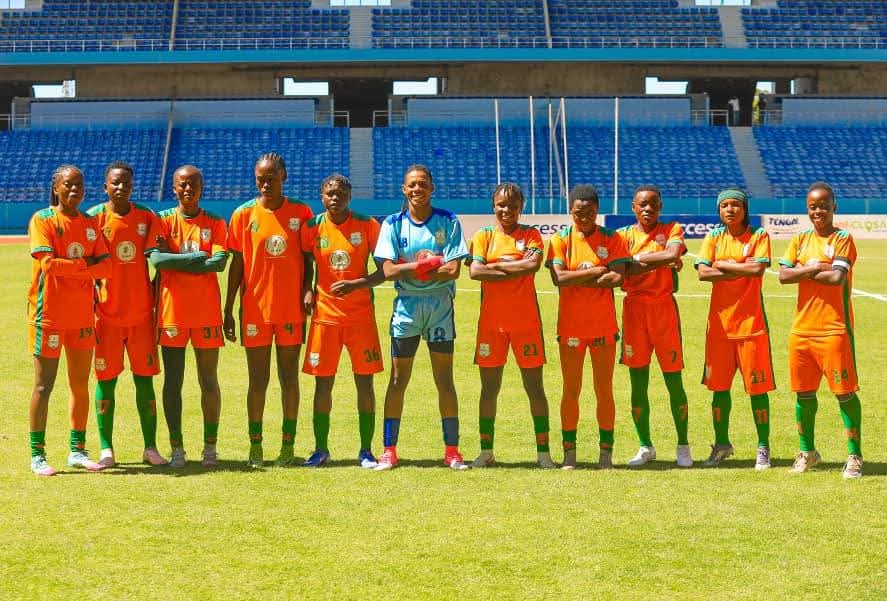
Zambian women’s football has, in recent years, demonstrated a remarkable resurgence marked by growth, resilience, and rising class despite persistent financial constraints. The recent breakthroughs at both junior and senior levels, culminating in appearances on continental and global stages through regional dominance and international participation, stand as a powerful footballing testament to Zambia’s growing relevance in the women’s game.
From grassroots structures to elite competition, the sport has become a beacon of hope for many young girls whose dreams are being nurtured through football. Despite limited sponsorship, individuals, notable corporate entities, and government institutions have all contributed toward sustaining the vision of empowering the girl child through sport.
However, the continued lack of meaningful sponsorship and structured investment in this mammoth project of talent development and professionalization threatens to drag the game into the abyss of decline. Without deliberate intervention, the gains achieved could easily be reversed.
Zambia has witnessed an impressive rise in exporting female football talent abroad, despite the numerous struggles affecting clubs and leagues — from poor infrastructure to inadequate financial support and operational instability. Saving the sport from looming collapse is as urgent as attending to a patient in intensive care. The warning signs are visible, and immediate action is required.
There is a pressing need for viable systems backed by a clear and strategic roadmap specifically tailored for women’s football. The women’s football desks at Football House and the Zambian Premier League must become proactive, innovative, and aligned with modern football trends in order to professionally and economically transform the women’s game.
The unfortunate absence of trophies and medals during the final league fixture where Zesco Ndola Girls were expected to be crowned champions was not merely an administrative oversight — it symbolized a painful disregard for the sport and the athletes who continue to sacrifice for its growth. Such incidents dent the credibility and dignity of women’s football.
What Zambia urgently needs is a dedicated indaba for women’s football — a platform for stakeholders to introspect, engage, and address the deep-rooted challenges threatening the future of the game. Punitive measures and rigid statutes imposed on struggling clubs without corresponding financial support only worsen the plight of those trying to sustain the sport.
Zambia undoubtedly possesses immense talent. Yet the systems required to effectively identify, nurture, and harvest that talent remain weak due to football politics, lack of coexistence, and an identity crisis overshadowing national interest and patriotism.
Women’s football in Zambia is no longer a peripheral project. It is a national asset, a vehicle for empowerment, and a symbol of possibility. What it now requires is not applause alone, but visionary leadership, strategic investment, and collective responsibility to protect its future from decay.



