

By Maimisa Josphat
Education and football are an integrative powerhouse—a formidable platform capable of steering young athletes towards quality, holistic career development. As the influence and impact of women’s football continue to rise, the sport has magnetically attracted an increasing number of girls who are discovering identity, opportunity and ambition through the beautiful game.
However, the intoxicating appeal of football must be monitored with an eagle’s eye. The game must never become so captivating that it pulls girls away from the classroom. Football can shape a career, but education equips the athlete to navigate the entire journey of life.
The lower leagues under the Football Association of Zambia (FAZ) must therefore be structured around the realities of the education calendar. League matches should, as much as possible, be played during weekends, while any unavoidable midweek fixture should fall on a public holiday. This is not an attempt to undermine football; rather, it is a call to protect the very foundation upon which the future of young footballers rests.
A normal school day is carefully distributed across learning sessions to accommodate the growing number of learners. With public schools grappling with overwhelming enrolment, the shift system has become an essential remedy for managing the educational burden. Consequently, a midweek football fixture cannot be viewed simply through the lens of kickoff time. The journey to the venue, preparations before the match, team assembly and the return trip inevitably encroach upon learning hours.
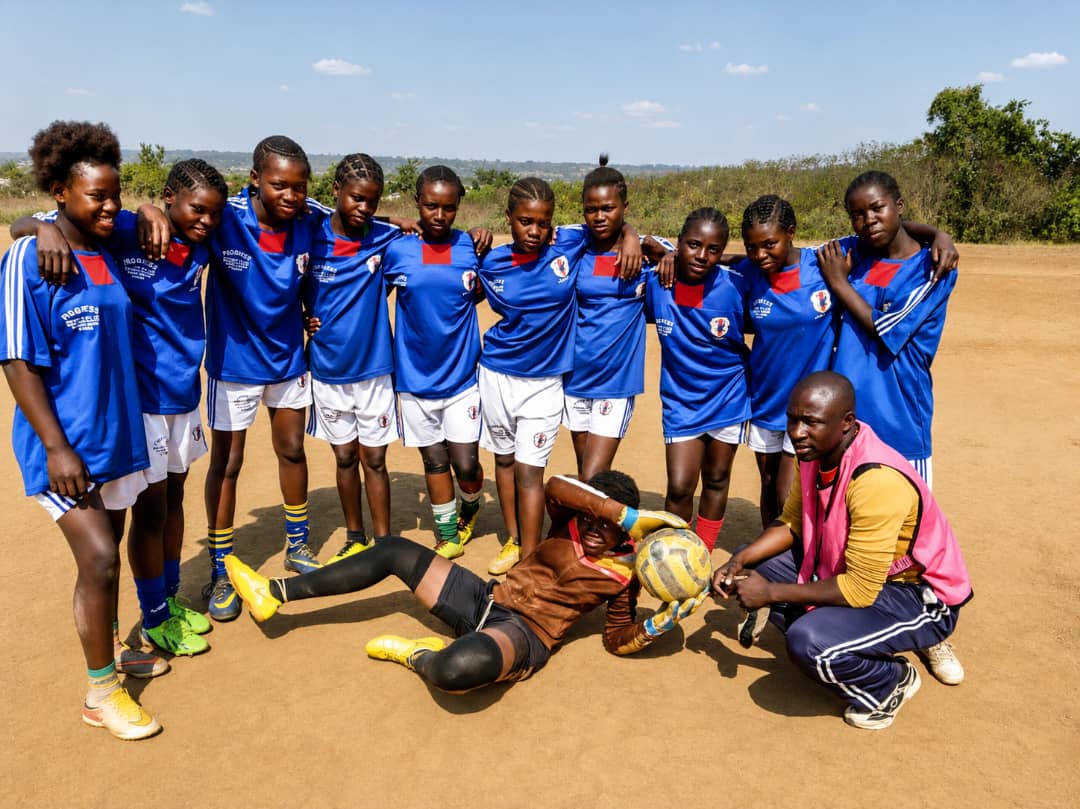
The concern becomes even more compelling because the majority of players in the lower tiers of women’s football are school-going girls. These young athletes are simultaneously students and aspiring footballers, and they deserve an environment that allows both identities to flourish.

Turning a blind eye and a deaf ear to this reality would amount to a disservice to the next generation of footballers. It risks denying young girls the balanced development required to confront the plateaus, detours and uncertainties along the highway to career fruition.
A developmental league must therefore embrace a developmental philosophy that goes beyond the football pitch. Education and football should not compete for the girl; they should collaborate to build the woman.
There is another dimension that demands serious attention. When a school football pitch hosts a midweek league fixture while classes are in session nearby, the disruption extends beyond registered players. Football is inherently attractive. The noise, movement, spectators, uniforms, whistles and competitive atmosphere can easily dwarf classroom attention and tempt learners away from their desks.
For young girls already passionate about football, the temptation becomes even stronger. The irresistible quest to play, support teammates or simply watch a competitive fixture can temporarily pull them away from learning. What may appear to be a few hours of excitement can accumulate into missed lessons, lost instructional time and ultimately compromised academic progress.
The objective, therefore, should not be to silence the football whistle but to time it responsibly.
Amateur and developmental FAZ women’s football fixtures must not conflict with the learning calendar at all costs. The emerging generation deserves a football ecosystem that understands that a footballer is more than a player: she is a learner, a future professional, a citizen and a potential leader.
The football pitch may open the door to opportunity, but education gives the player the intellectual keys to remain relevant long after the final whistle.
Let the girls play. Let the girls learn. Let the two journeys converge—not collide.



