

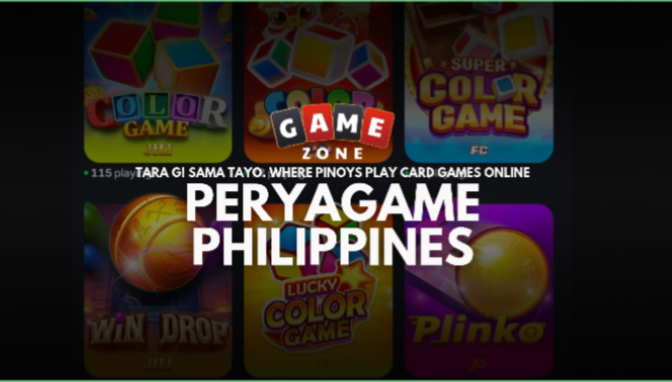
Filipino fiestas and community gatherings often showcase lively Perya games, familiar for their simple mechanics and engaging formats. Games such as the Color Game booths and Bingo sessions have long entertained crowds with easy-to-understand rules and recognizable gameplay. As technological advancements reshape the landscape of leisure activities, many of these time-honored games have found new forms on digital platforms. Peryagame Philippines exemplifies this shift, offering digital versions of classic carnival-inspired games while preserving their original spirit. Exploring the distinctions and commonalities between traditional and digital Perya formats clarifies how these games continue to evolve alongside modern entertainment trends.
Well-Known Traditional Perya Games in the Philippines
Among the various attractions characteristic of Filipino carnivals, several games have cemented their place as cultural staples. Four such games include:
- Color Game: Participants pick colors and await results determined by dice rolls to see if their choices align.
- Bingo: Players mark numbered cards as called numbers are announced, aiming to complete specific patterns.
- Pinoy Drop Ball: The outcome depends on where a ball drops within a pegs board setup.
- Pula Puti: Selecting between red or white, players anticipate the declaration of the winning color.
These games, despite differences in mechanics, share an accessible design that allows participants to quickly grasp the rules and enjoy the experience. Color Game centers on color selection aligned with chance, Bingo emphasizes number recognition and pattern completion, while Pinoy Drop Ball and Pula Puti rely on randomized physical outcomes for suspense and reward.
Operational Dynamics of Traditional Perya Games
Traditional Perya events typically feature individual booths set up at local fairs, fiestas, or community functions. Each booth carries the necessary physical elements—dice, cards, balls, or boards—tailored to the specific game offered. Game facilitators explain the rules, manage equipment, and maintain game flow to ensure smooth participation.
For example, a Color Game booth involves physical dice and designated playing spaces. Bingo sessions use numbered cards and live number calls. Pinoy Drop Ball incorporates a ball-drop apparatus where the ball’s resting spot determines the prize. Recognizing the unique materials and procedures of each game is essential for understanding how to play without assuming uniformity across Perya game types.
How Traditional Perya Games Translate onto Digital Platforms
Digital platforms have transformed the way these traditional games are accessed, presenting familiar concepts through online interfaces. Instead of physical involvement, users interact with simulated environments where game instructions, selections, and outcomes appear on screens.
Various Perya-inspired digital games available on platforms like GameZone include:
| Traditional Game | Digital Versions |
| Color Game | Color Game, Super Color Game, PacMan’s Color Game |
| Bingo | PacMan’s Bingo Boom and multiple Bingo variants |
| Pinoy Drop Ball | PDB, Pinoy Drop Ball Turbo |
| Pula Puti | Pula Puti |
These digital adaptations retain core gameplay elements such as color and number selection, ball drop logic, and betting on colors. At the same time, they employ digital enhancements including animations, pacing adjustments, and interface design tailored to online engagement. Because individual titles may introduce unique features, consultation of specific game instructions becomes vital before playing.
Key Contrasts Between Traditional and Digital Perya Games
A notable distinction centers on participation environments and interaction styles, although fundamental game concepts may remain consistent:
| Category | Traditional Perya | Digital Perya |
| Environment | Physical booths at community events | Online platforms accessible remotely |
| Participation | In-person attendance at events | Through computers or mobile devices |
| Equipment | Physical dice, cards, balls | Computer-generated graphics and controls |
| Presentation | Live, tangible setups | Animated visuals, possibly live-streamed |
| Variable Features | Depend on booth setup | Game-specific extra features |
| Accessibility | Limited to event location and time | Available globally with internet connection |
The transition from physical presence to virtual participation alters players’ experience but preserves the essence of gameplay. Digital Perya games prioritize convenience and extended reach, while traditional setups emphasize social interaction and physical immersion.
Live-Hosted versus RNG-Based Digital Perya Experiences
Within digital Perya offerings, variations exist in how game outcomes are determined and presented. Some games are hosted live, featuring a real-time presenter managing the session and engaging players. This replicates the social energy of physical booths.
Alternatively, many digital games use Random Number Generator (RNG) technology to deliver random, unbiased results algorithmically without a live host. Both formats coexist across titles, often within the same game categories. Understanding whether a game employs live hosting or RNG is crucial for players who wish to comprehend the nature of result generation. The presence of a presenter does not imply control over outcomes.

Important Points to Consider Before Trying Digital Perya Games
When engaging with digital Perya games, a few factors contribute to a well-informed and enjoyable experience:
- Review Game Rules: Each version may present unique instructions, selection mechanisms, and result conditions.
- Account for Additional Features: Digital titles might incorporate bonus rounds or gameplay variations not present in traditional formats.
- Identify Gameplay Format: Knowing whether the game is live-hosted or RNG-based clarifies expectations for interaction.
- Verify Platform Authenticity: Ensuring the proper licensing and regulatory compliance promotes security and fairness.
- Practice Responsible Play: Awareness of age restrictions, wagering limits, and support tools encourages safe participation.
Taking these points into account aids players in navigating the nuances between different games and platforms and safeguards the gaming experience.
FAQs
Q1. Are digital Perya games identical to traditional ones?
Digital Perya games keep foundational gameplay intact but differ through their delivery formats, visual presentations, and sometimes added features.
Q2. Which Perya games are most common in the Philippines?
Color Game, Bingo, Pinoy Drop Ball, and Pula Puti stand out as widely enjoyed traditional games.
Q3. Do digital versions come with extra features?
Certain digital games offer augmented gameplay elements and bonuses; checking their specific rules is advisable.
The interplay between tradition and innovation shapes Peryagame Philippines’s offering, showcasing how Filipino carnival games can thrive amid digital transformation. Combining heritage with modern technology, these games remain vibrant facets of entertainment, accessible to broader audiences through new mediums.



