By Gabriel Nkunika
At a time when local coaches have come under increasing pressure over results and performances, Chisi Mbewe has given Zambian football something worth discussing.
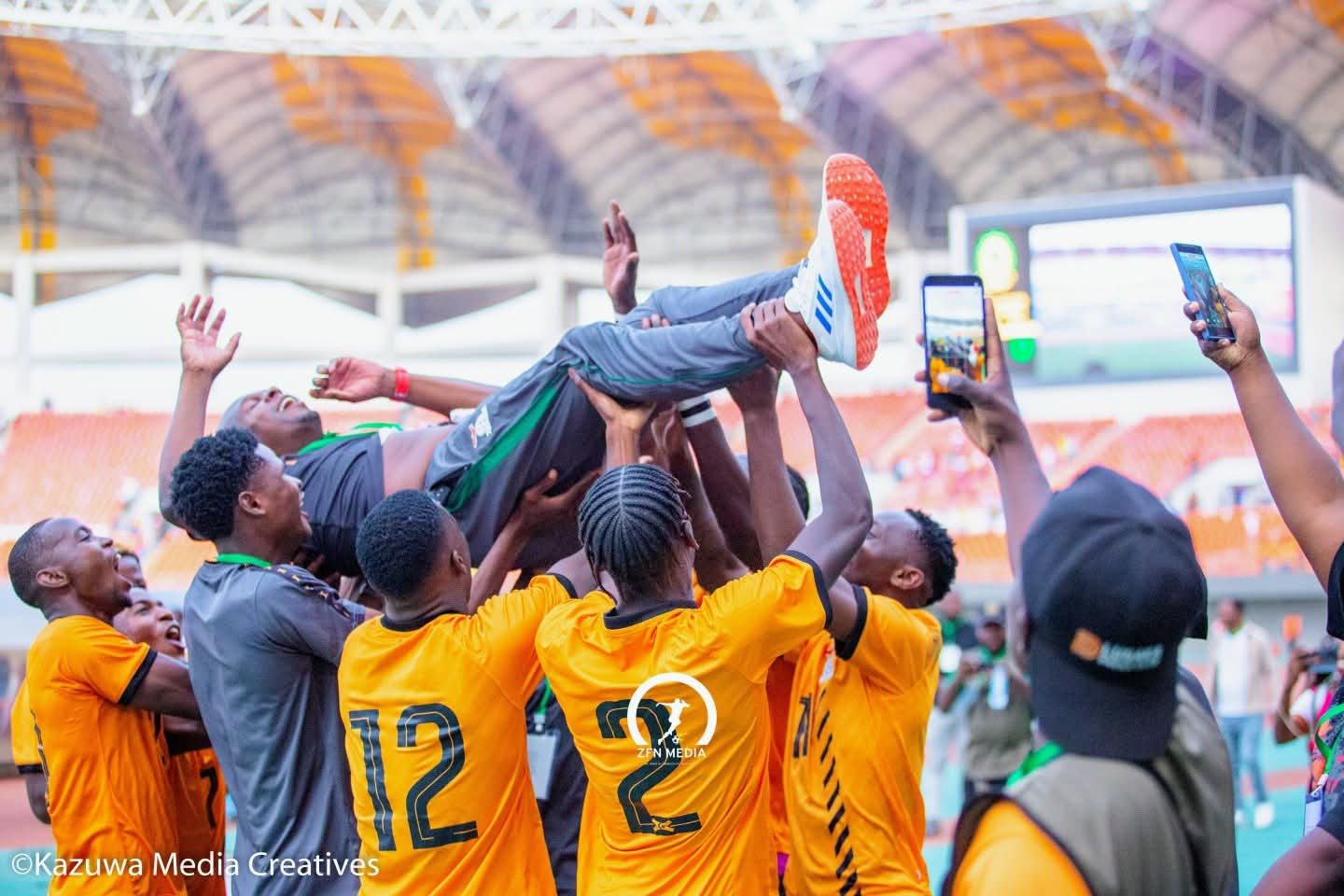
Mbewe guided the Zambia Under-23 national team, the Junior Chipolopolo, into the third round of the AFCON U23 qualifiers after overturning a narrow first-leg defeat to Burkina Faso. Zambia won 1-0 in regulation time before keeping their composure to win the tie on post-match penalties.
While the result was important, what stood out was the tactical approach Mbewe brought to the game. His team showed organisation, discipline and a clear understanding of how to use space, both in and out of possession.
The legendary José Mourinho has often spoken about the importance of football principles regardless of the formation a coach chooses. Whether a team adopts a more defensive approach or presses high up the pitch, the basic principles of the game remain important.
Mbewe put some of these principles into practice. Zambia lined up in a 4-3-3 formation, playing with a high defensive line. However, what I found particularly interesting was how the two fullbacks were positioned.
On the right, the right-back, Sekanji Siame, frequently moved into midfield, operating as an inverted fullback. This helped Zambia create numerical superiority in the middle of the park while allowing the right winger to maintain width and take on his opponent in one-versus-one situations.

On the opposite side, the approach was different. The left-back, Jonathan Kalimina pushed forward to provide width, while the left winger moved into central areas to add numbers in midfield. This gave Zambia different attacking options and made their movements less predictable.
The tactical approach was evident in the opening 13 minutes, when Zambia created opportunities but failed to make the right decisions in the final third. With better decision-making and composure, the Junior Chipolopolo could have taken an early lead.
As the game progressed, Burkina Faso began to understand Zambia’s attacking patterns and adjusted their approach. Mbewe, however, was not afraid to make changes when things were no longer going according to plan.
His substitutions proved important, with the players coming off the bench helping Zambia find the equaliser to level the aggregate score at 1-1, Caleb Musonda and Gift Siame combining for the goal. It was a good example of in-game management and the importance of having options from the bench.

Another aspect worth highlighting was Zambia’s pressing. Without possession, the players worked together to reduce the available space and make the pitch as small as possible for Burkina Faso. Once they won the ball, they looked to stretch the opposition, use the width and make the pitch as big as possible. These are simple but important principles that require collective understanding and discipline.
Of course, not everything was perfect. The Zambian players made mistakes that could easily have cost them the tie. One particularly frustrating aspect was their approach to building from the back. On several occasions, when the ball reached midfield or the wide players, they opted for backward passes before eventually resorting to long balls.
This made Zambia predictable and played into Burkina Faso’s strengths, particularly their physical advantage in the air. Going forward, Mbewe and his technical team need to work on encouraging the players to be more confident in possession, combine through short passes and find better ways of progressing the ball rather than resorting to long balls whenever they encounter difficulties.
Nevertheless, Mbewe deserves credit. At a time when local coaches are facing questions over their ability to deliver results, his performance offers a reminder that Zambian coaches have something to contribute when given the opportunity and backing.
It is also important to remember that this is an Under-23 team. At this level, the job is not only about winning qualification matches but also developing players, improving their understanding of the game and preparing them for the demands of senior international football.
One result does not settle the debate about local coaching, but good work deserves recognition. Mbewe showed tactical organisation, made changes when necessary and guided his young team through a difficult qualification tie.
Sometimes, local coaches need more than criticism. They need trust, opportunity and the platform to demonstrate what they can do.